
Part 3 — A Christmas of Kindness and Generosity: Giving Without Commercial Pressure
There is another way to experience Christmas—one shaped by kindness, generosity, and unnoticed service. When the focus moves outward, simple acts of care become powerful sources of joy. This week’s reflection explores how giving from the heart can quietly transform families, communities, and the season itself.

Part 2 — Living Slowly in December: Simple Crafts, Slow Routines, Slow Cooking, and Home Rituals (The how)
We’re halfway through December now, and if your month hasn’t looked the way you hoped, that’s okay. Most of us are juggling work, school schedules, evening commitments, and the never-ending lists that seem to grow faster than we can cross things off. But a gentle Christmas doesn’t require long stretches of free time or a perfectly crafted plan. It begins in small pockets—ten quiet minutes after dinner, a candle lit on the table, a simple craft done together before bedtime. Slowness isn’t measured in hours, but in presence. Even in the busiest season, there is room to breathe, to notice, and to make space for peace right where you are
Part 1: Christmas, Uncluttered
We don’t need more decorations, more obligations, or more perfection to experience Christmas. We need room — room for quiet, room for each other, room for God. By embracing minimalism, slowing our pace, and letting faith lead, December becomes less of a storm and more of a sanctuary.
How Farming Practices Shape the Food We Eat 🌱
In Farmacology, Daphne Miller reminds us that the true medicine in our food begins in the soil. At our farm school, students see this principle in action — planting, composting, harvesting, and caring for animals — and learn how thoughtful farming practices create nutrient-dense, healthful food. From soil to plate, every step matters, echoing Weston A. Price’s vision that mindful farming and traditional preparation produce food that truly nourishes.

Why Traditional Diets Supported Strong, Healthy Children — and What Modern Nutrition Often Misses
Traditional cultures around the world raised remarkably strong and healthy children using simple, nutrient-dense foods and time-tested preparation methods. In this post, we explore the core principles identified by Dr. Weston A. Price—from fat-soluble vitamins to fermentation, natural fats, and seasonal eating—and explain why these ancestral practices remain so essential for children’s growth, immunity, and overall wellbeing today.

How Food Shapes the Whole Child
At our city farm and farm school, food is naturally woven into everything we do because it’s part of daily farm life. Growing vegetables, caring for animals, harvesting herbs, preparing meals, and sharing food are simply the rhythms of our days. Nothing is added or staged; the children step into real, meaningful work every time they’re here.
Our belief in healthy soil and nutrient-dense food shows up everywhere on the farm — in the way we compost, plant, harvest, cook, and eat together. And because our school exists within the farm, these values flow directly into the children’s experiences. When food is raised in healthy soil and prepared traditionally and simply, it supports the whole child — their energy, attention, mood, sleep, digestion, resilience, and long-term wellbeing.
This is the heart of our farm and our school: healthy soil, healthy food, healthy children.

The Dirt on Wellness: What Gardening Really Does for Kids and Adults
We often think of gardening as a relaxing hobby or a way to grow fresh food. But decades of research shows it’s much more than that — especially for children. Spending time in the garden and working with soil has measurable physical, emotional, and cognitive benefits for people of all ages.
Let’s start with the soil itself…..

The Sacred Pause: Parenting Without the Rush
It’s easy to forget how much life changes when we simply pause.
Not the dramatic kind of pause — not a weekend retreat, not a big lifestyle overhaul — but a breath. A quiet moment before reacting. A beat before answering. A slowness woven into the everyday rhythm of raising and working with children.
We live in a culture that rewards quickness: quick responses, quick fixes, quick growth. But children aren’t built for speed. Neither is real connection.

Savoring July’s Harvest: Delicious Zucchini, Squash & Beets
It’s midsummer, and the farm is humming with life. The sun is high, the soil is warm, and the kids are bringing in baskets full of vibrant zucchini, golden squash, and deep red beets. These vegetables aren’t just beautiful—they’re brimming with nourishment and possibility.
This time of year invites creativity in the kitchen. Whether you’re cooking with little ones or just trying to use up a bumper crop, here are some of our favorite ways to celebrate what we’re harvesting now.

Celebrating Our Nation’s Birthday: Reflecting on Freedom, Sacrifice, and Connection🇺🇸✨
As we approach this year’s Independence Day, it feels more important than ever to reflect on the true meaning of freedom—especially in a time when our country and world face many uncertainties and challenges.

Mindful Consumption: How to Make Every Purchase Count 🛒
Building resilience through intentional choices
Every item we bring into our homes carries more than just immediate use — it holds the potential to support or strain our long-term wellbeing. Mindful consumption is about choosing carefully to ensure that what we own truly serves us, reduces waste ♻️, and strengthens our ability to thrive even when unexpected challenges arise.

🎶 How to Create a Rhythm, Not a Routine
There’s a quiet magic in knowing what comes next—not because the clock says so, but because it feels right.
In a world that often demands structure, deadlines, and speed, many families are longing for something slower and more meaningful. At Urban Green Harvest, we’ve found that rhythm—not routine—is the heartbeat of peaceful, engaged, and connected days. It’s what keeps our days flowing gently, even when life feels unpredictable. And the best part? You don’t need a rigid schedule or a perfect plan to find it.
Let’s explore the difference between routine and rhythm—and how to begin creating one that supports your family.

📚 From Seed to Harvest: The Story of Urban Green Harvest
Welcome to Urban Green Harvest — or welcome back.
For those just discovering us, and for the many families who have been part of our journey over the years, we want to share the full story of how we got here: from a small city farm in 2009 to a thriving outdoor learning space today.

🕊️ Finding Peace in a World on Fire
The world feels loud right now.
Newsfeeds scroll like storm clouds.
Tension hangs in the air like wildfire smoke—unseen but deeply felt.
And yet… the garden keeps growing.

🩺 Breaking Free from Dependencies: Building Self-Reliance Through Health
When we talk about sustainability, we often focus on food, energy, or finances—but one of our most overlooked dependencies is on our own health. Without a strong foundation of personal well-being, everything else becomes more difficult to manage. Just as we strive to reduce reliance on external systems, building a sustainable, self-reliant lifestyle means taking ownership of our health to reduce dependency on medical interventions, processed foods, and unhealthy habits.

🍳Summer Camp as a Test Kitchen for Life
Why unstructured days in the dirt may be just what your child needs this summer
Summer break has a funny way of arriving with both relief and a hint of panic. The relief: no more early alarms, rushed breakfasts, or packed lunches. The panic: Now what? Especially for parents whose children are no longer toddlers but not quite teens, those long summer days beg for something meaningful—but not overly scheduled.
At our summer program, we think of camp as a test kitchen for life—a safe, supportive space where kids get to experiment, explore, and discover who they are without the usual rush of school schedules or adult-led outcomes.
🛠️ Breaking Free from Dependencies: A Path to Greater Sustainability in Every Lifestyle
In a world where our lives are increasingly connected and dependent on external systems, it's easy to feel like we have little control over the things that impact us most. Whether it's food, energy, finances, or even personal health, we often rely on services, businesses, or resources outside of our control. This dependency can leave us vulnerable in times of crisis, when systems fail, or even in moments of personal hardship.
But what if you could reduce those dependencies—no matter your lifestyle—and move toward a more self-reliant, sustainable way of living?

💡Raising Self-Sufficient Kids: A Path to Lifelong Learning
At Mugwort Sudbury School, we believe education should prepare children for life—not for standardized tests or arbitrary benchmarks, but for real-world challenges, personal growth, and meaningful contribution. Self-sustainability is one of the most empowering paths toward that goal.
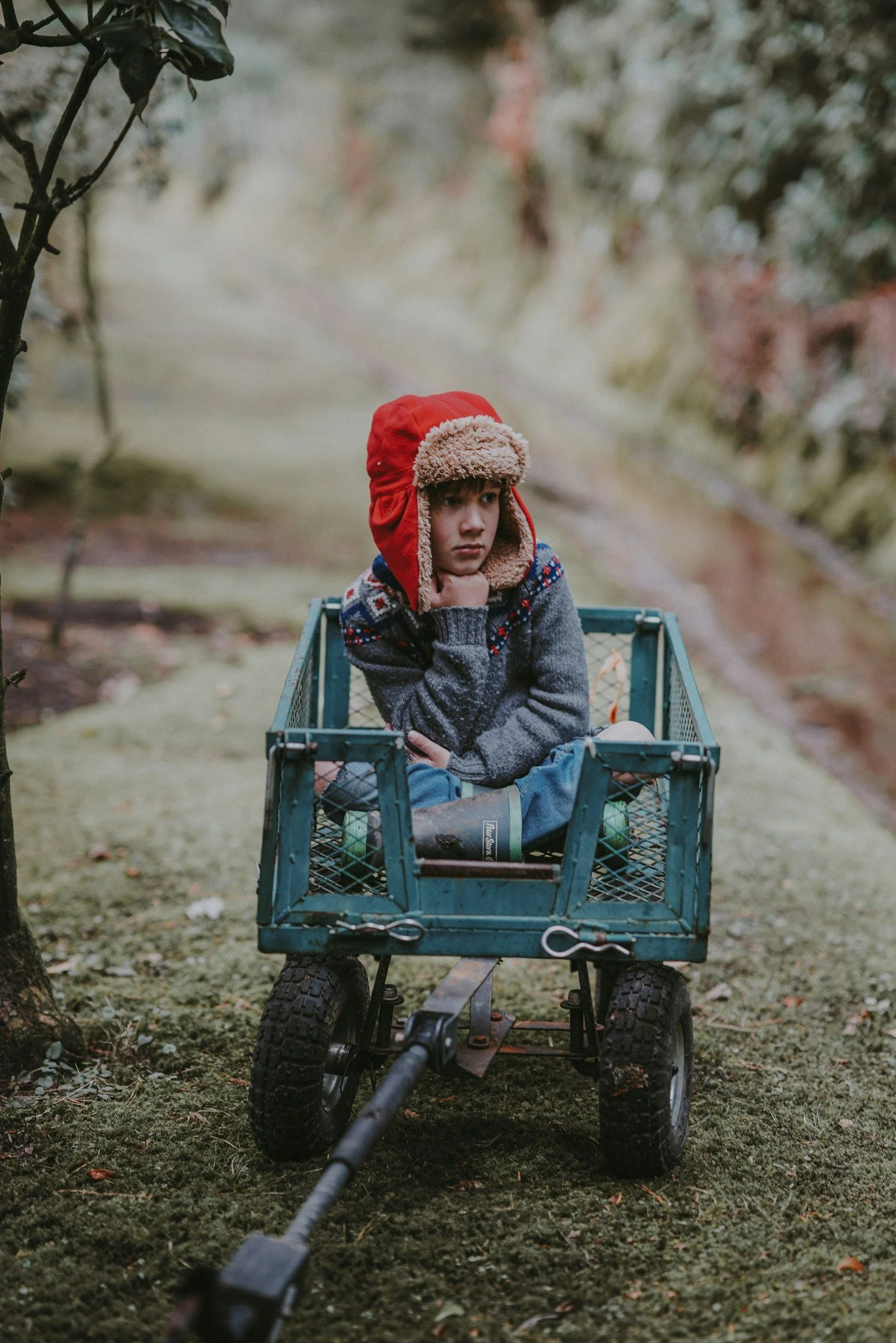
Let Them Be Bored 🌀 Why Doing Nothing Is Everything
n a world buzzing with programs, apps, and curated activities, boredom often gets a bad rap. But here at Mugwort Sudbury School and Urban Green Harvest, we see it differently. We see boredom not as a void, but as fertile ground — the still moment before imagination bursts into bloom.

📖 Why We Don’t Force Kids to Learn to Read (And Why It Works)
At Mugwort Sudbury School, one of the most common questions we hear from curious parents and skeptical educators alike is: “But how will they learn to read if you don’t teach them?”
It’s a fair question—especially in a world where reading by a certain age is treated almost like a milestone on a pediatric growth chart. But here’s our controversial truth:
We don’t force kids to learn to read.
And guess what?
They do anyway.